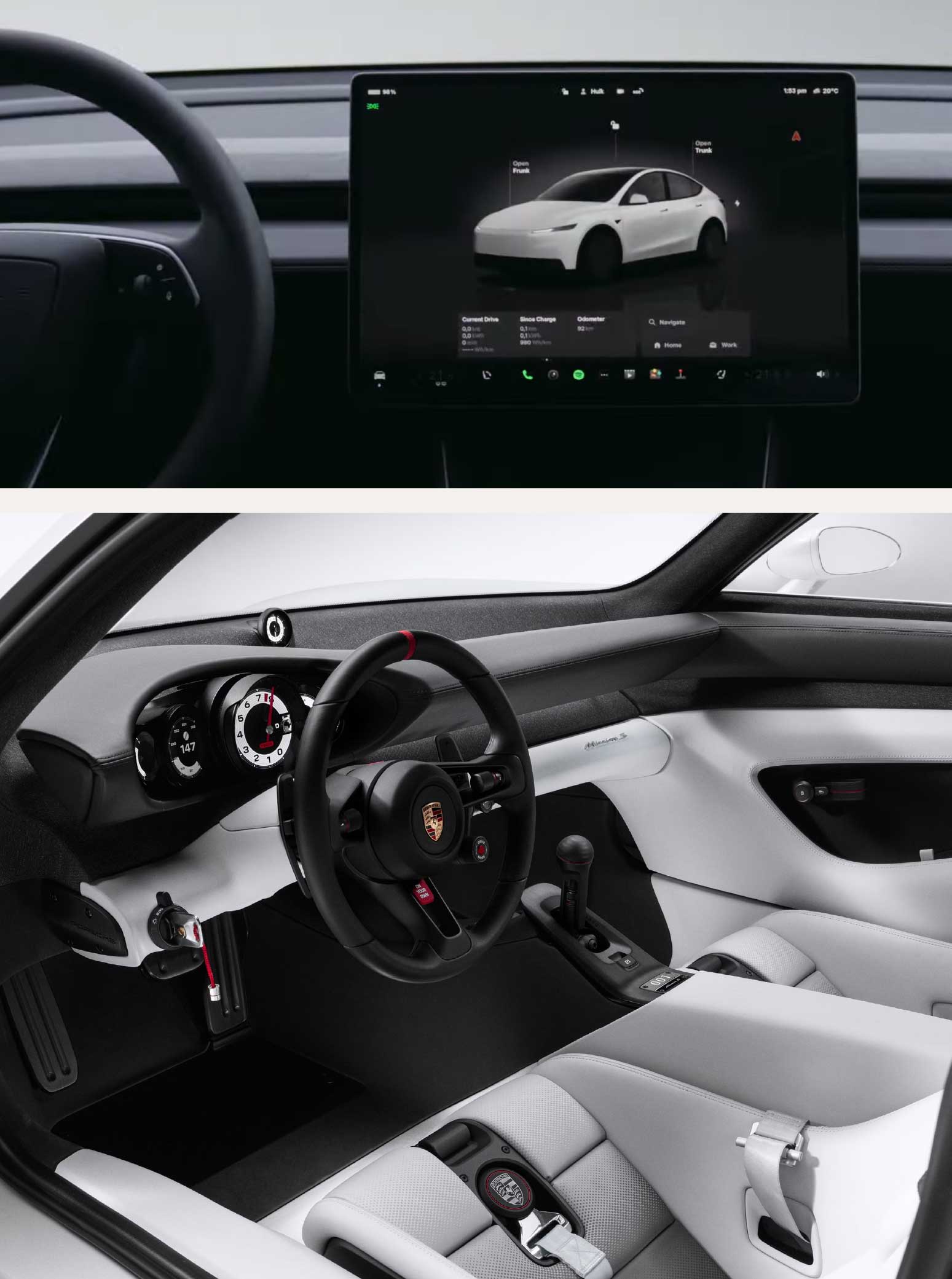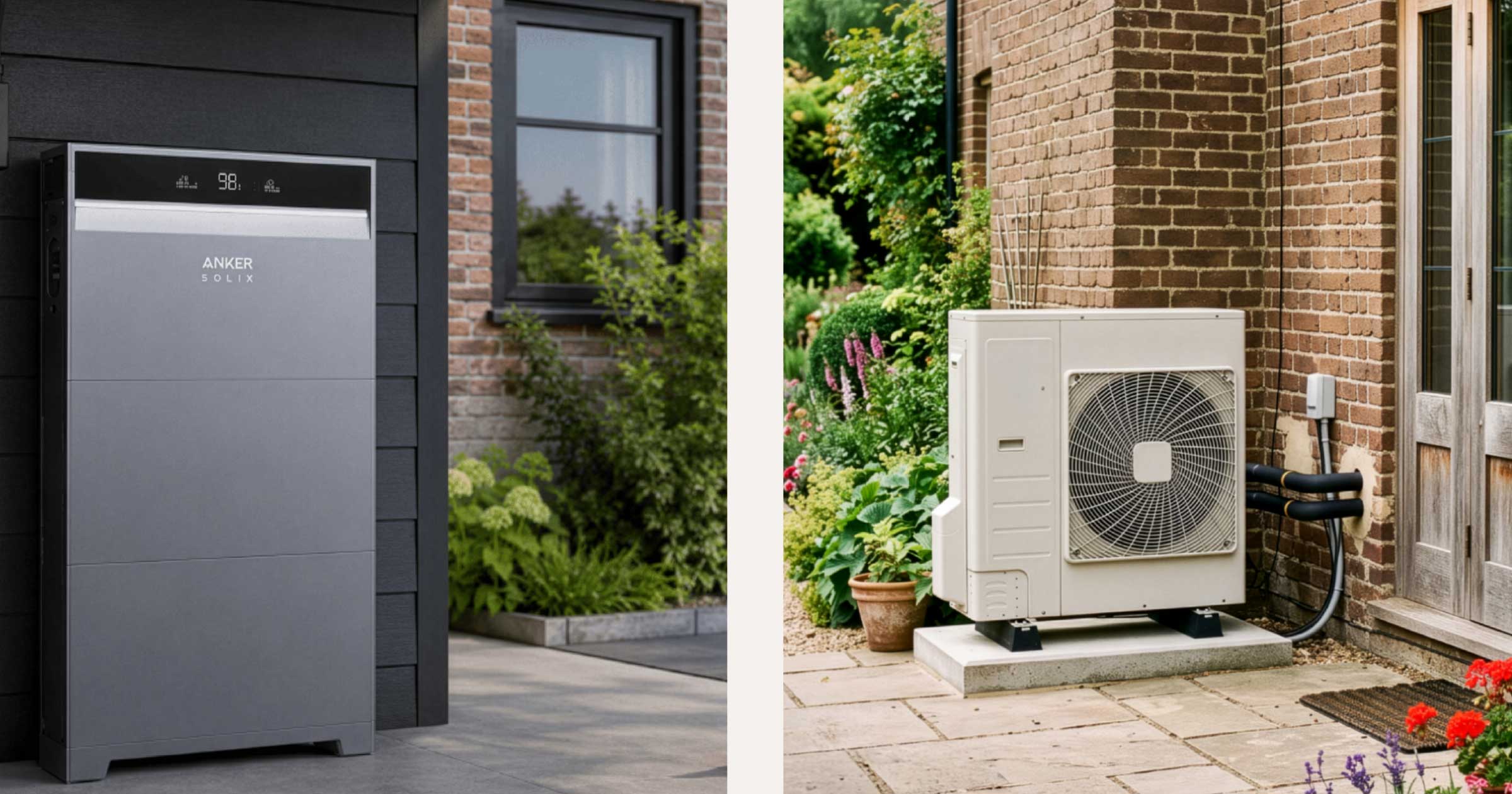
Can CMF Domesticate the UK Residential Heat Pump Market?
As the UK scales to 600,000 annual installations by 2028, engineering alone will not win the £4.1 billion residential heat pump market. B2B manufacturers must utilise design and CMF to transition industrial hardware into premium domestic architecture, capturing design-conscious homeowners without incurring the significant CAPEX of re-engineering core HVAC platforms.
Why Does the Heat Pump Industry Face an Aesthetic Hurdle in Late-Adopter Markets?
When our studio adopted a heat pump in our recent move to a 150-year-old barn conversion, the engineering was undeniable: it is a masterpiece of efficiency and has a big part in the future of domestic heating. (Even Pepper, our office pooch, loves the underfloor heating). However, as the UK market grows at a rapid 11.2% annually, a fundamental design challenge is emerging.
The wider market reveals a highly fragmented adoption story. While Nordic countries adopted heat pumps as early as the 1970’s and 80’s, with 2024 data showing adoption at 93% in Sweden, 60% in Norway, and 52% in Finland, late-adopter markets like the UK lag significantly, with 2025 ONS data showing just 0.8% of existing and 4.2% of new dwellings fitted.
Across Europe, 2024 sales reached 2.31 million units (totaling 25.5 million, or ~12% of households). As these units enter more UK and European residential spaces, a key design opportunity emerges.
For decades, the DNA of this vapor-compression hardware evolved in the commercial sector, designed to sit invisibly behind warehouses and on industrial rooftops. Now, hundreds of thousands of these units are moving onto highly curated 'compact' residential patios. While engineering has successfully made the leap, industrial design is playing catch-up.
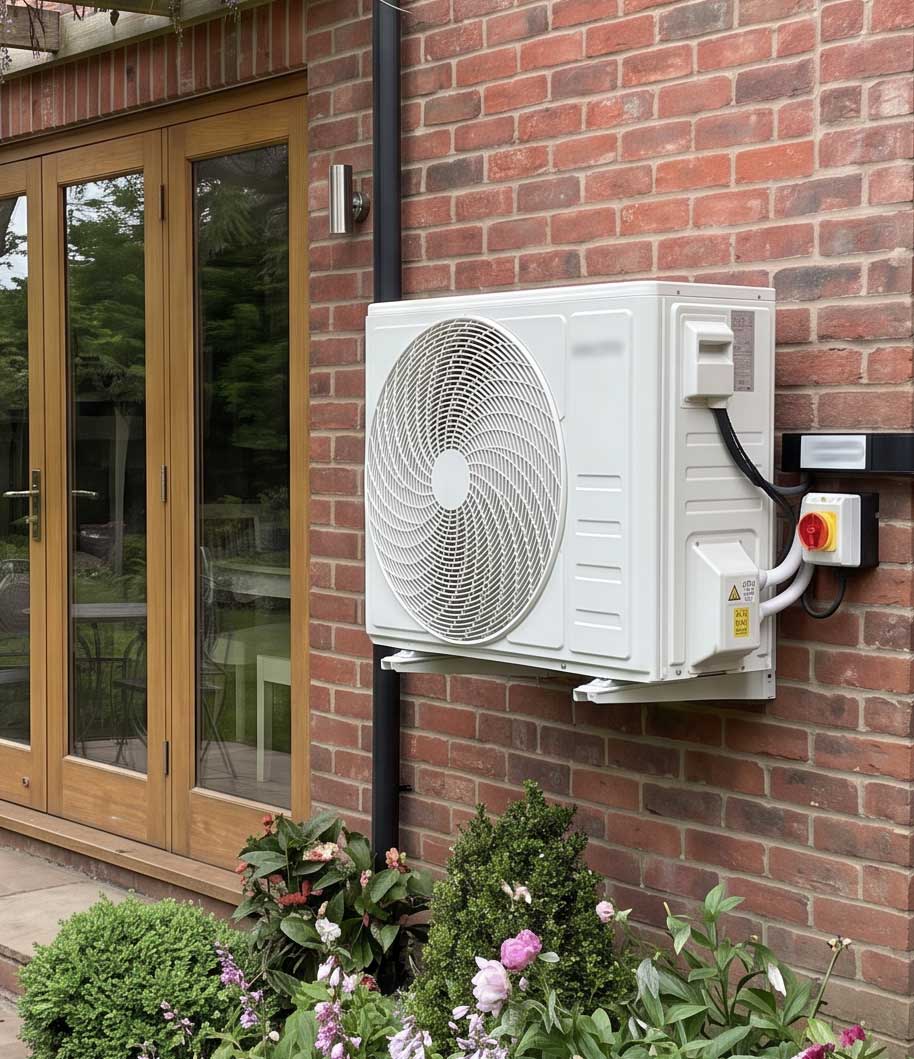

Through our User-Focused Design methodology, we see that placing a large, industrial off-white metal box against a myriad of domestic properties creates an aesthetic friction point for the homeowner. Adjacent energy categories have already set new baselines; brands like Sigenergy, Anker, and Pila Energy have domesticated home battery storage design, transforming heavy infrastructure into sleek consumer tech.
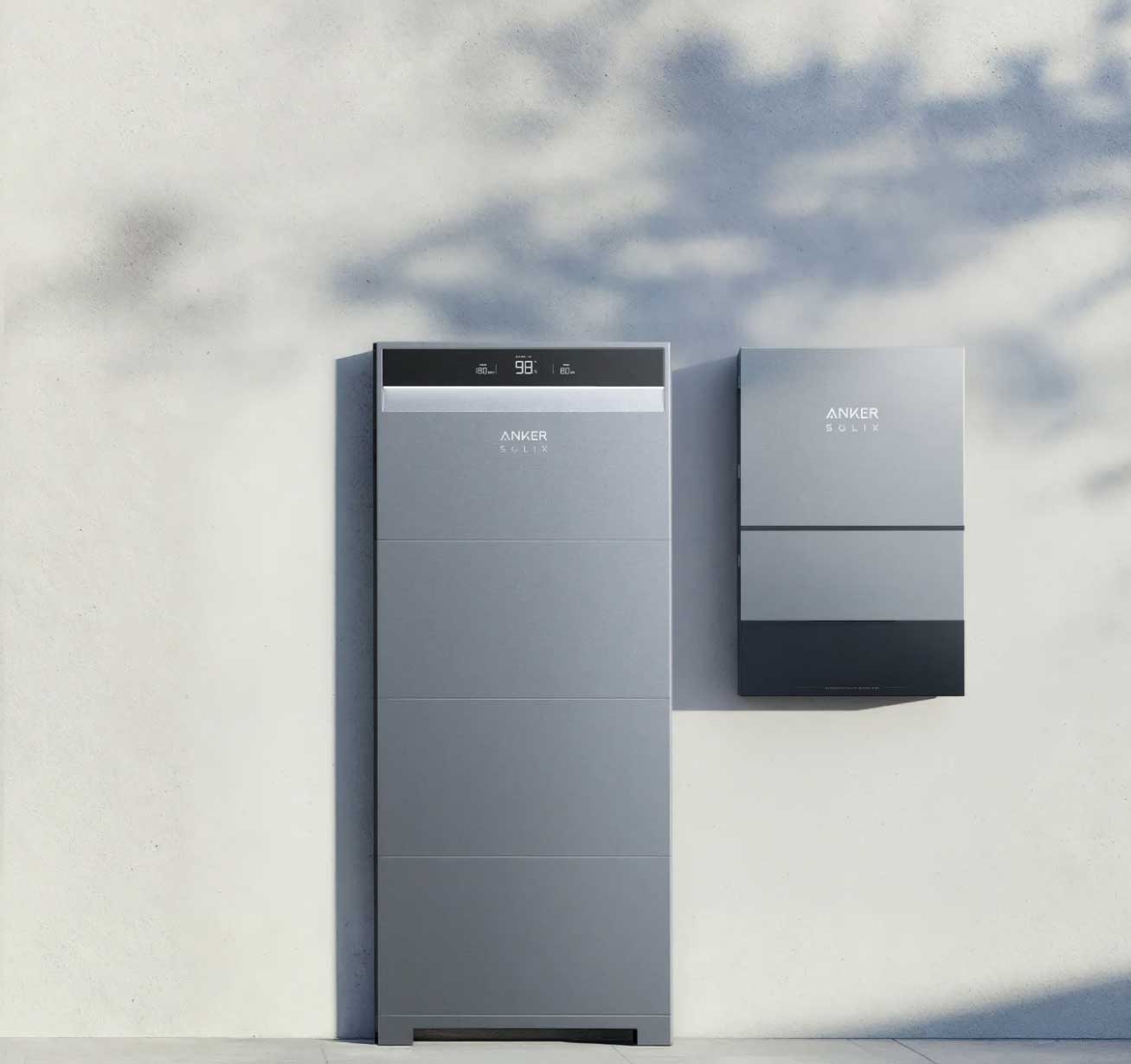
Heat pumps face unique airflow challenges, and therefore cannot simply be tucked away in a garage like home battery hardware. Consequently, their lingering commercial aesthetics could remain a barrier to broader residential adoption.
How Can CMF Drive Consumer Adoption Over Raw COP Ratings?
In a rapidly expanding domestic market, curb appeal and design optionality are no longer secondary considerations; in an ever competitive market they will form primary drivers of consumer choice. If two units offer a similar COP (Coefficient of Performance) rating and reliability, the homeowner will invariably choose the unit that visually harmonises with their landscaping.
This highlights the commercial power of CMF (Colour, Material, Finish). Colour dictates customers perception long before logic enters the conversation. We are already seeing visionary brands grasp this:
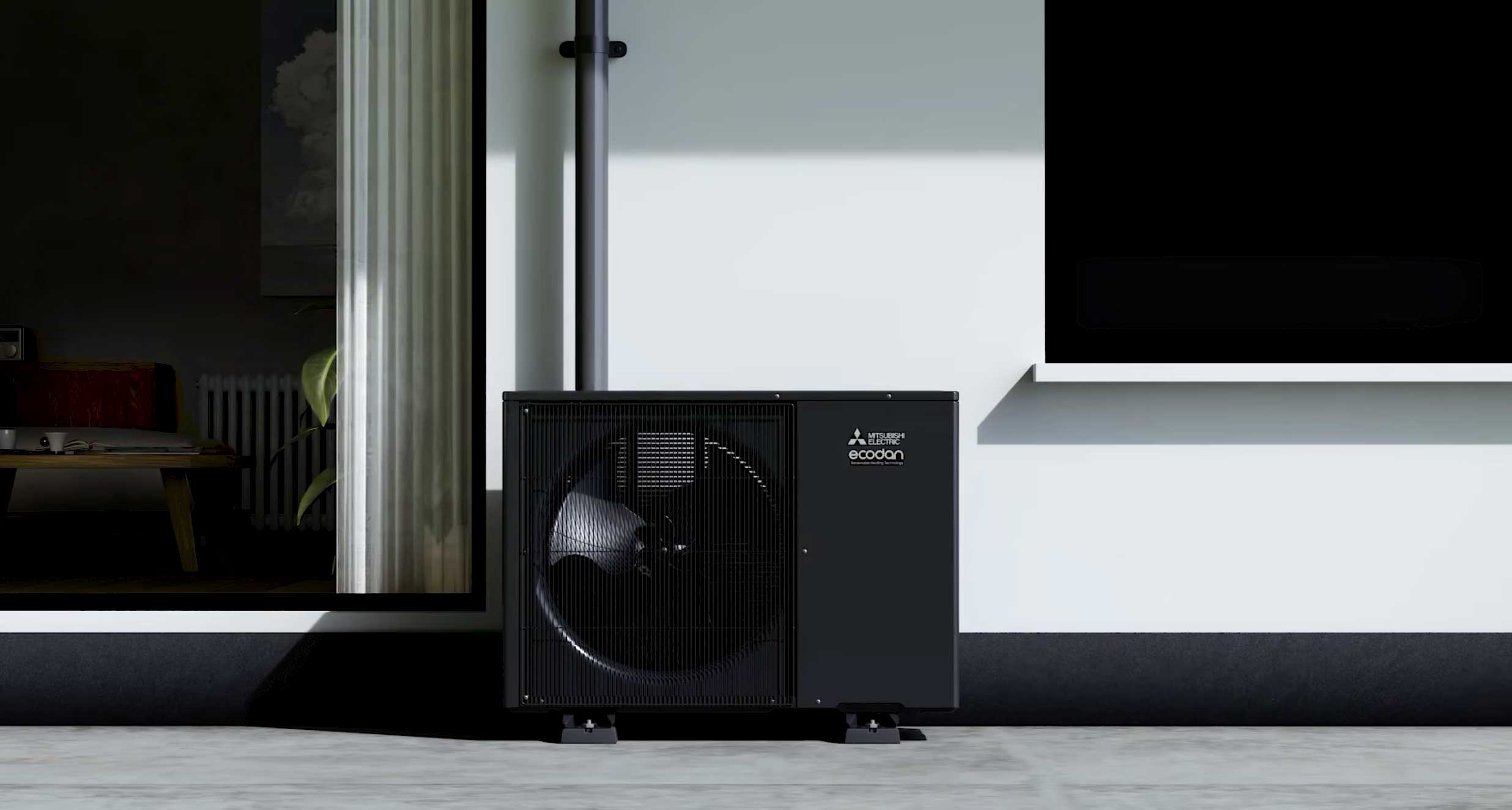
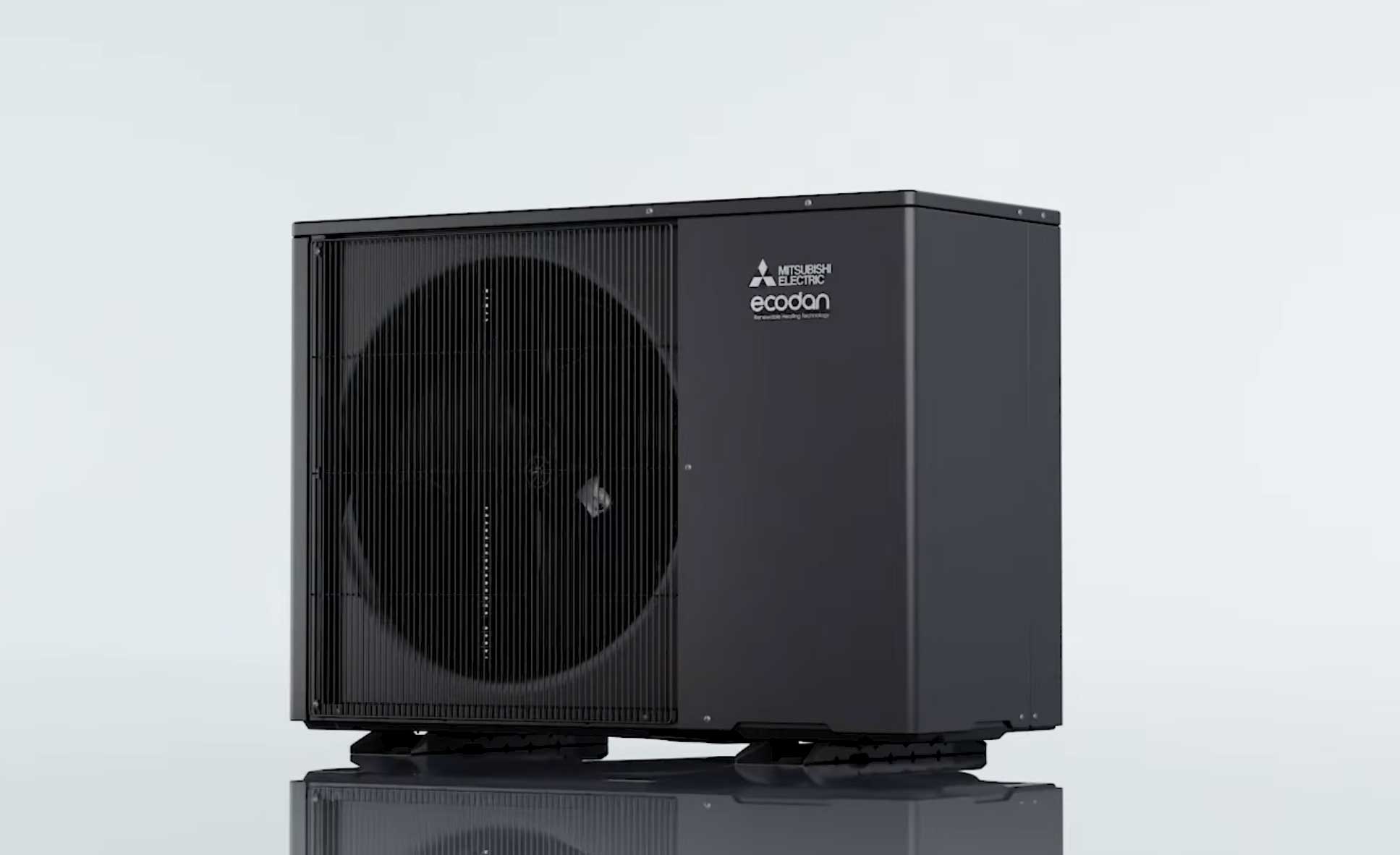
- Mitsubishi: Q3 2026 introduced the Ecodan R290 in a striking "Modern in Black" finish. This CMF update instantly elevates the product's architectural aesthetic.
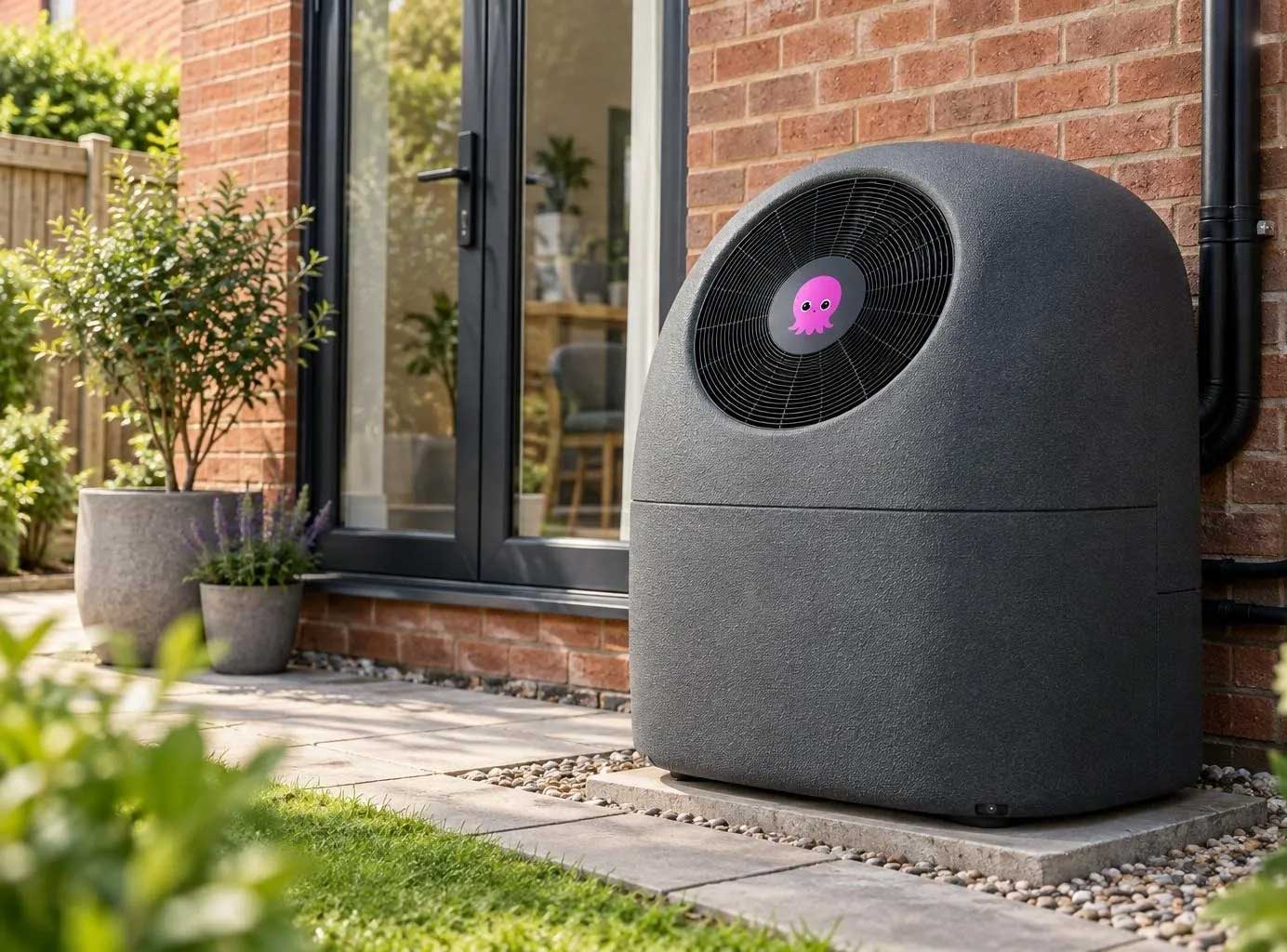
- The Octopus Energy: The Cosy 12 landed on TIME’s Best Inventions list by boldly rethinking the domestic form factor entirely. While its quirky aesthetic has polarised some, it embodies the Octopus brand and proves the market is ready and hungry for non-industrial silhouettes.
What is the Manufacturing ROI of Modular HVAC Design?
Overhauling a core engineering platform requires massive capital expenditure (CAPEX) and years of development, because internal HVAC components are tightly packaged within roll-formed steel cabinets, product managers cannot simply change the form factor on a whim.
This is where a Platform Design Strategy provides a commercial advantage. You do not need to redesign the entire chassis to capture the design-conscious consumer immediately.
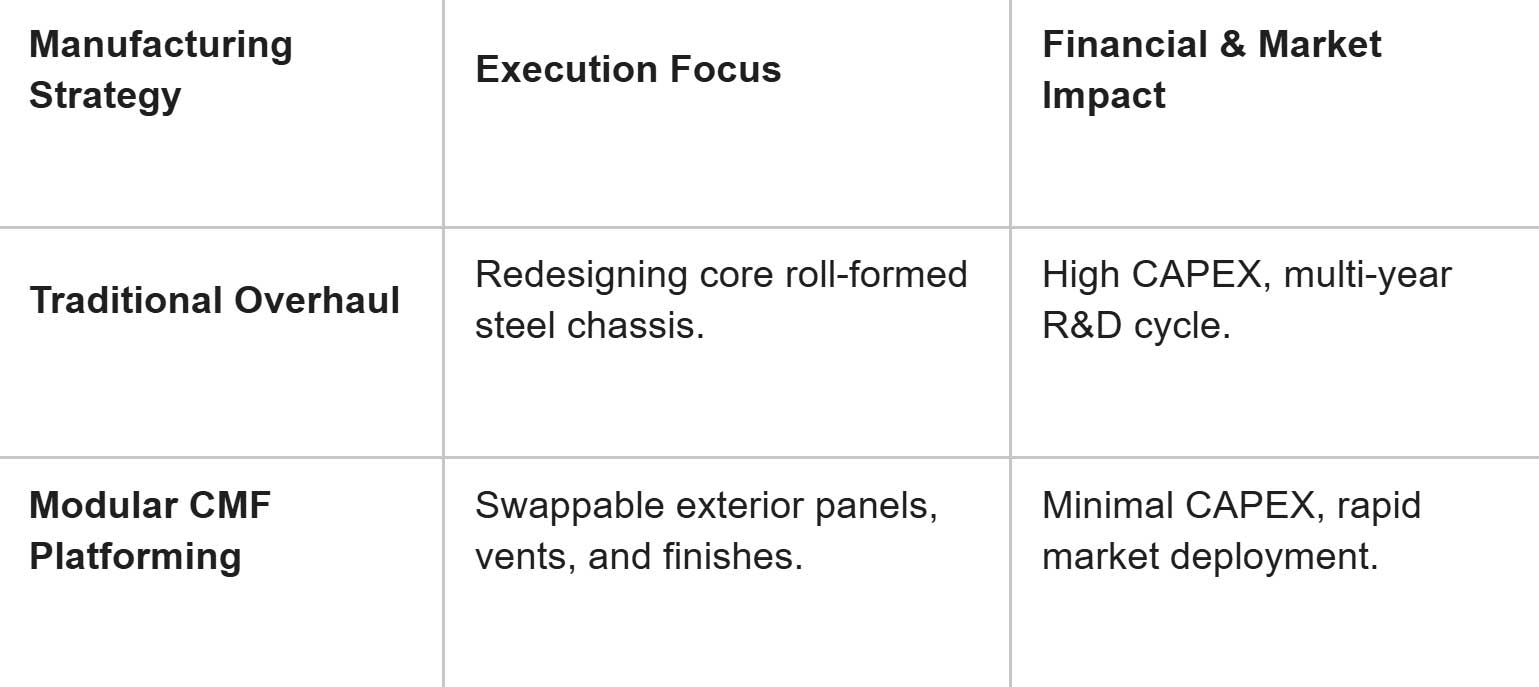
By focusing intervention purely on the outer skin, manufacturers can offer powder-coated panels in architectural tones (like matte sage or charcoal), refined acoustic louvres, and updated inlet vent designs that help harmonise the unit aesthetic.
We are already seeing a new wave of venture-backed startups reshaping unit design:
- Aira: Founded in Sweden and heavily backed by VC funding, Aira is engineering its own hardware entirely in-house. 2024 they introduced a sleek, Scandi-inspired silhouette with a highly refined vent execution.
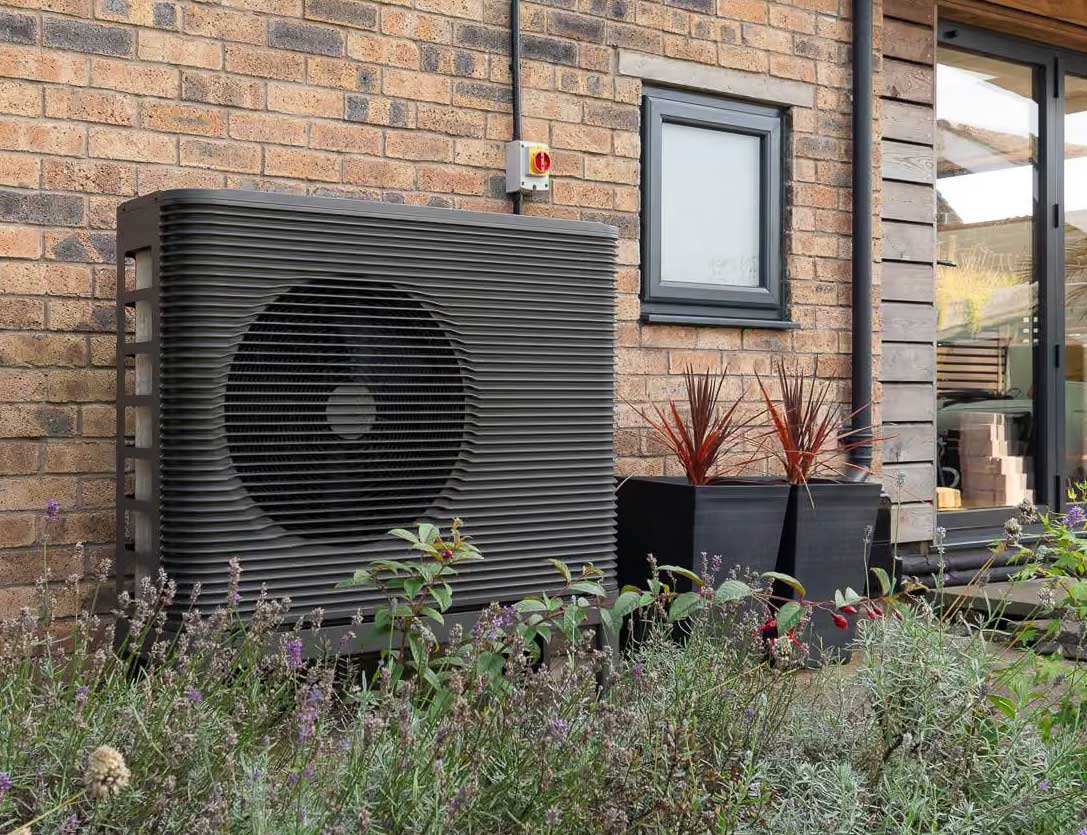
- Quatt: A Dutch start-up recently took home a Red Dot Design Award in 2026 for their Hybrid heat pump. By utilising a striking, wave-patterned grille and a decorative brand treatment zone front, Quatt proves that heat pumps can be designed as more premium architectural features rather than utility boxes.
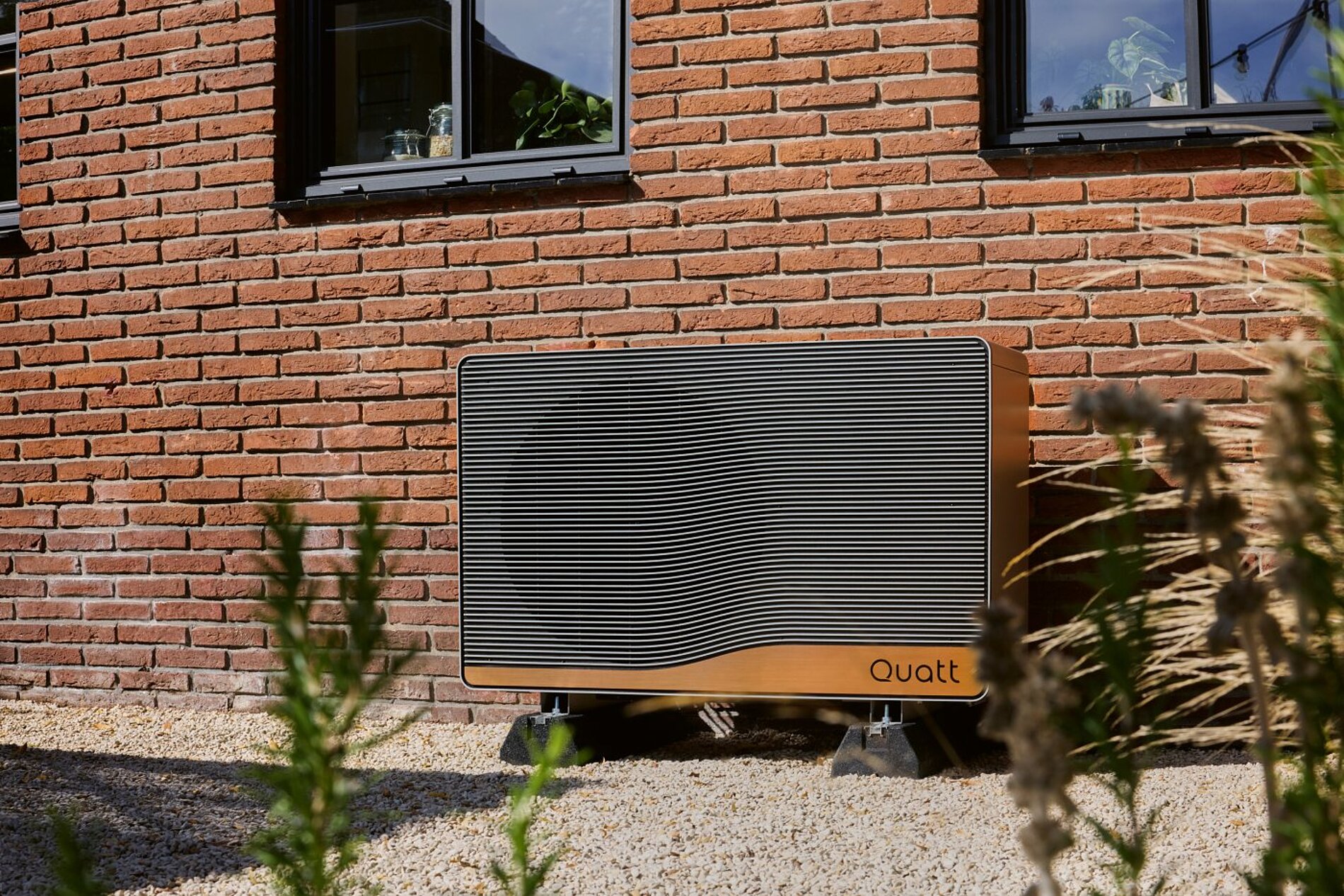
Then, as sales grow in the UK and other late-adopter EU markets, and margins permit taking a fresh look at the core architecture, manufacturers can explore re-arranging internal components to create entirely new, domestically biased aesthetics, perhaps unlocking performance advances and IP in the process.
Navigating the shift from industrial machinery to premium home integration isn't easy, but you don't have to do it alone. As modern air source units expand into summer cooling, their year-round usefulness and broader adoption makes aesthetic fit more critical than ever for both architects and homeowners.
These units represent a substantial long-term investment, and as the sector matures while competition steadily increases, thoughtful industrial design will stand out as a strong differentiator.
We would welcome the opportunity to schedule a call to explore evolving your existing product line and striking the ideal visual harmony for the residential space, feel free to reach out to us at the email address listed below.
Frequently Asked Questions (FAQ)
Why is CMF critical for residential heat pump adoption?
Consumers judge value subconsciously based on visual execution. If two units share similar COP ratings, homeowners will lean towards the design that visually harmonises with their domestic architecture over one resembling industrial machinery.
What is the market growth projection for UK heat pumps?
Driven by government targets of 600,000 annual installations by 2028, the UK heat pump market is projected to reach £4.1 billion by 2026, growing at a rapid 11.2% annually.
How can HVAC manufacturers improve aesthetics without high CAPEX?
Utilising a modular platform strategy allows brands to introduce interchangeable exterior panels, refined inlet vents, and localised powder-coated finishes without re-engineering the complex, roll-formed steel core chassis.
Posts