How Did Industrial Design Transform a $50 Commodity into a Luxury Ecosystem?
Before 1999, strollers were a $50 commodity plagued by low perceived value and margin compression. By pivoting the design focus from the child to the parent and leveraging a customisable CMF platform, Bugaboo created a $1,000+ luxury category, fuelling a market now projected to reach $3.7 billion by 2030.
How Does User-Focused Design Expand a Stagnant Market?
We start with why did the legacy stroller market suffer from margin compression?
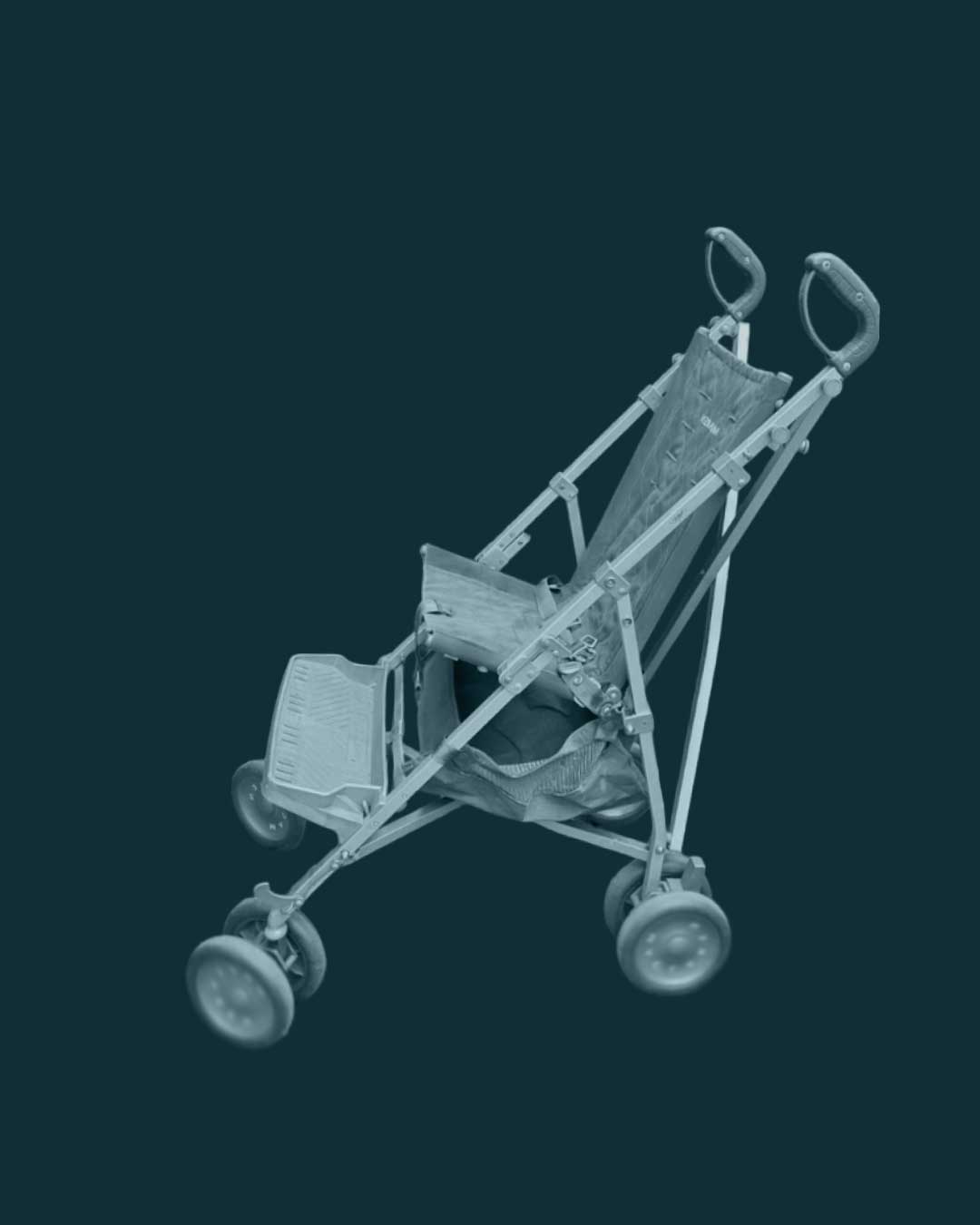
Before 1999, the global stroller market was a category driven by cost-reduction, resulting in a landscape dominated by inexpensive, utilitarian collapsible 'umbrella' strollers averaging around $50. Manufacturers competed in a race to the bottom, trapped predominantly by the assumption that parents would simply not invest premium capital into a temporary, purely functional item. This lack of strategic vision caused severe margin compression, leaving immense commercial potential untapped.
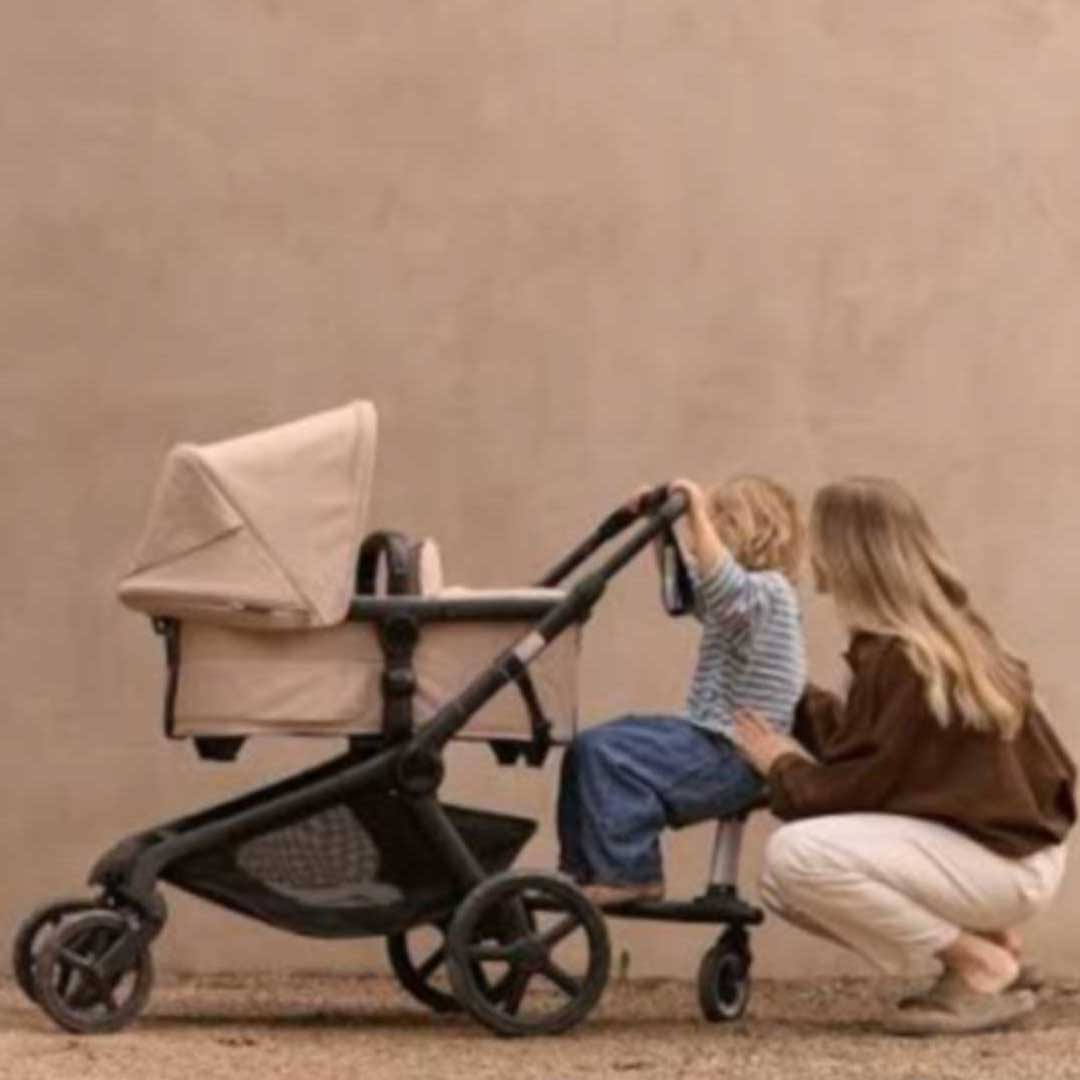
The disruption started at the Design Academy Eindhoven, where industrial design student Max Barenbrug observed the real-world friction of modern urban parents. By applying User-Focused Design, Barenbrug fundamentally reframed the product's core user. Instead of designing a temporary seat focused on the child, he created a modular mobility ecosystem built for the parent's lifestyle. By bridging the gap between a traditional baby carriage and a toddler stroller, he delivered a single, adaptable platform designed to last from the newborn stage through to early childhood.
This Innovation introduced unprecedented mechanical solutions like all-terrain suspension, intuitive folding mechanisms, and reversible seating. It solved the practical friction of navigating subways and shops while giving parents a product that felt genuinely engineered.
What is the ROI of a Sustainable CMF Platform Strategy?
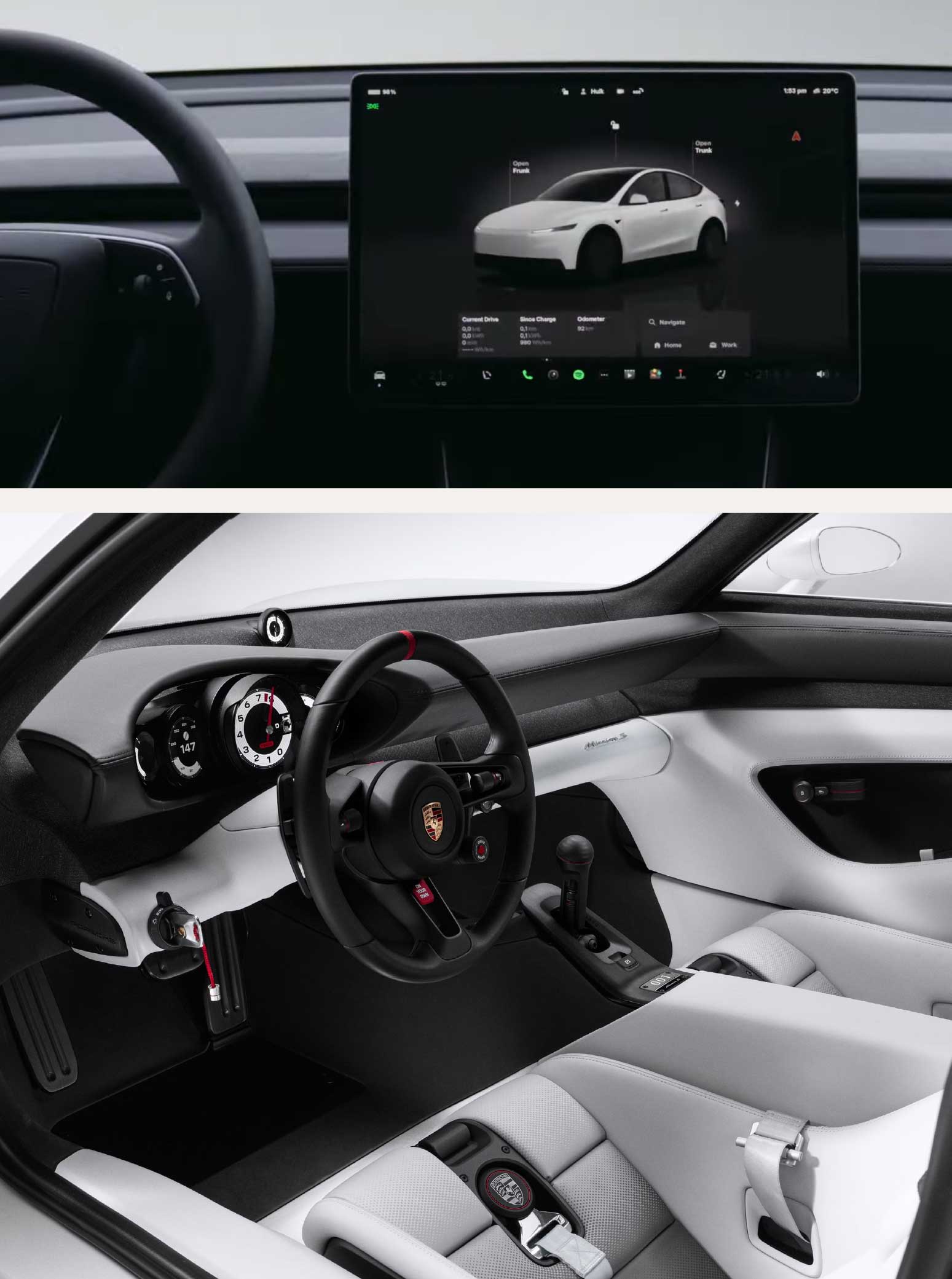
While mechanical engineering solved the user's friction, it was Bugaboo's mastery of CMF (Colour, Material, Finish) that transformed the pram from a functional children's product into a high-margin lifestyle accessory. Taking cues directly from the automotive and fashion industries, they engineered a Sustainable Platform Design Strategy.
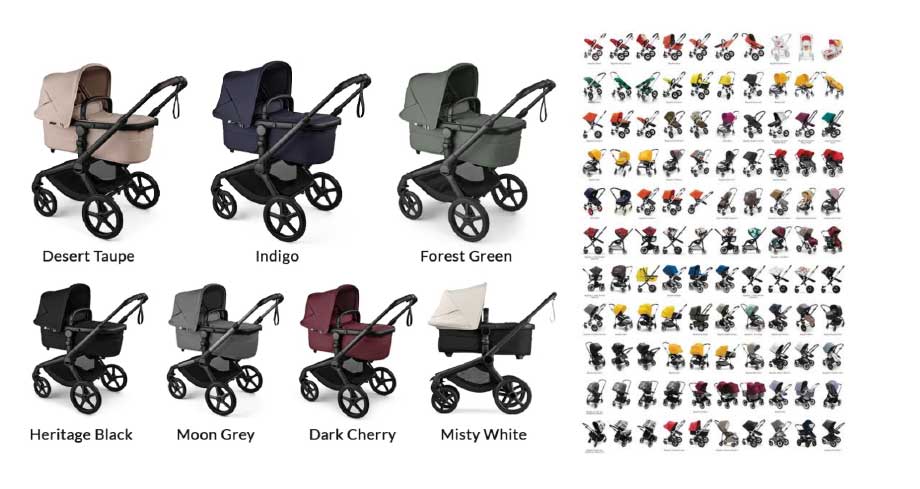
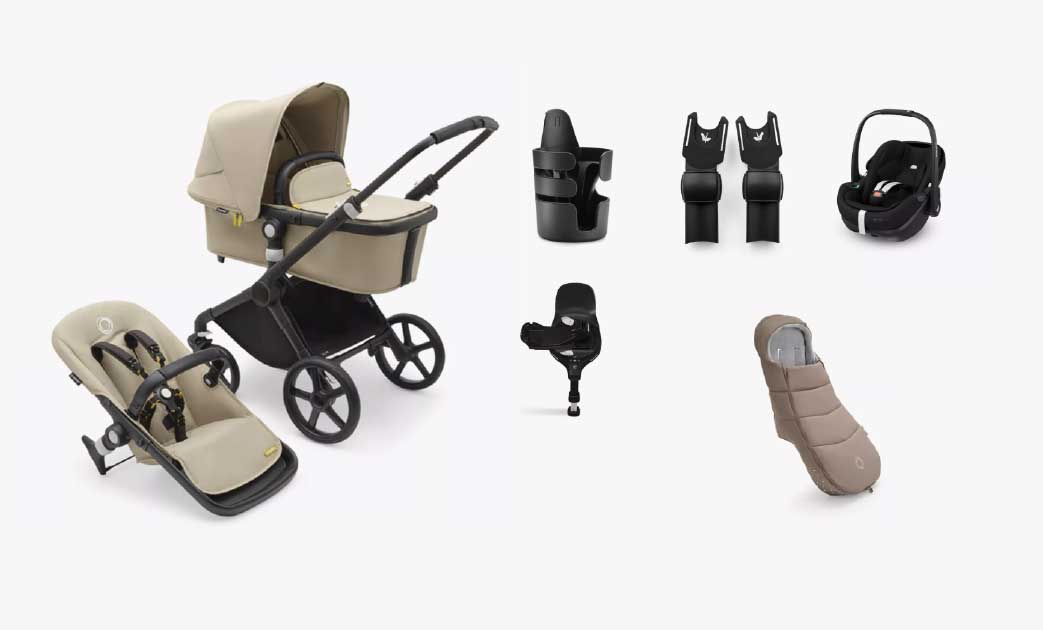
Instead of manufacturing dozens of entirely different strollers, they built a standardized, premium base chassis. This platform was then customised with interchangeable, highly desirable textile sets.
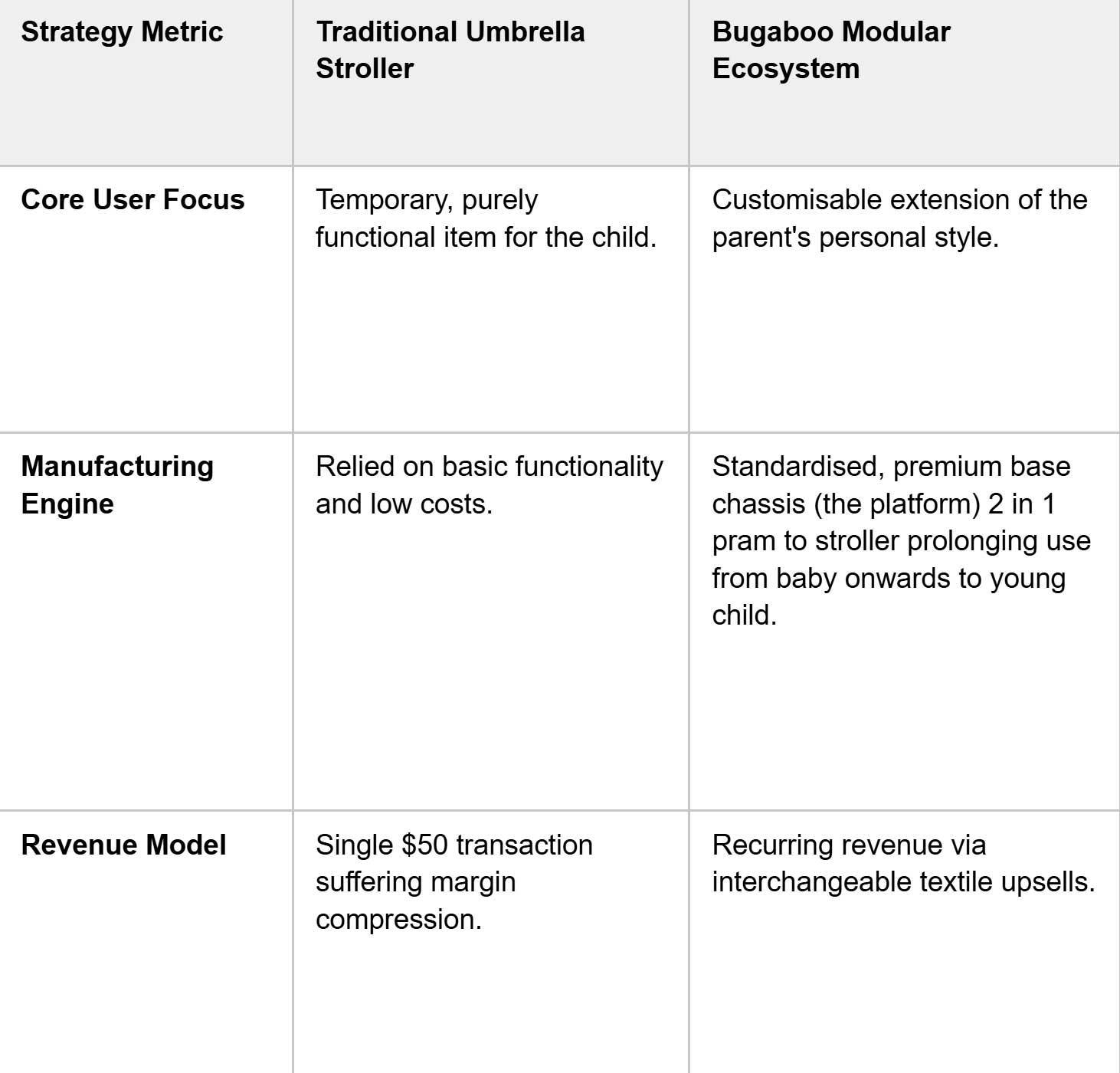
This modular architecture meant Bugaboo could continuously upsell aesthetic options, introduce seasonal colorways, and launch limited-edition material drops without incurring the massive R&D and tooling expenses required for new mechanical hardware. By utilising premium materials previously reserved for fashion and outdoor luxury gear, they proved parents were willing to invest in a customisable extension of their personal style.

Navigating these shifts isn't easy, and the biggest opportunities are often the hardest to see from within your own walls. By bringing a fresh, outside perspective, we help you uncover the potential in ideas you may have overlooked or previously discredited. Let's schedule time to discuss how user-focused innovation and strategic platform design can elevate your next roadmap and build a stronger commercial future.
Explore how our design approach solved challenges in our:
Frequently Asked Questions: (FAQ)
How did Bugaboo disrupt the global stroller market?
By shifting the design focus from the child to the urban parent, Bugaboo introduced a modular mobility ecosystem that solved real-world friction, transforming a $50 commodity into a premium lifestyle accessory.
What is a CMF platform strategy in industrial design?
It involves engineering a single, standardised mechanical chassis that can be continuously customised with interchangeable colors, materials, and finishes, allowing brands to upsell aesthetics without new hardware R&D costs.
Why is the global stroller market projected to reach $3.7 billion by 2030?
The market expansion is largely driven by the creation of the premium luxury segment, which proved consumers will pay over $1,000 for high-quality, modular systems that grow alongside the family.
Posts