Is the Touchscreen Era Ending? The Return of Tactile Affordance in Hardware
How Is Tactile Affordance Becoming the New Luxury in Industrial Design?
Could the era of infinite touchscreens be ending? Driven by cognitive fatigue and incoming 2026 Euro NCAP safety regulations, Product Leaders are pivoting from cost-cutting digital slabs back to tactile affordance. Meticulously weighted mechanical switches are now the primary indicators of premium positioning, operational safety, and visceral consumer trust.
Why is the "Black Slab" Touchscreen Losing its Premium Appeal?
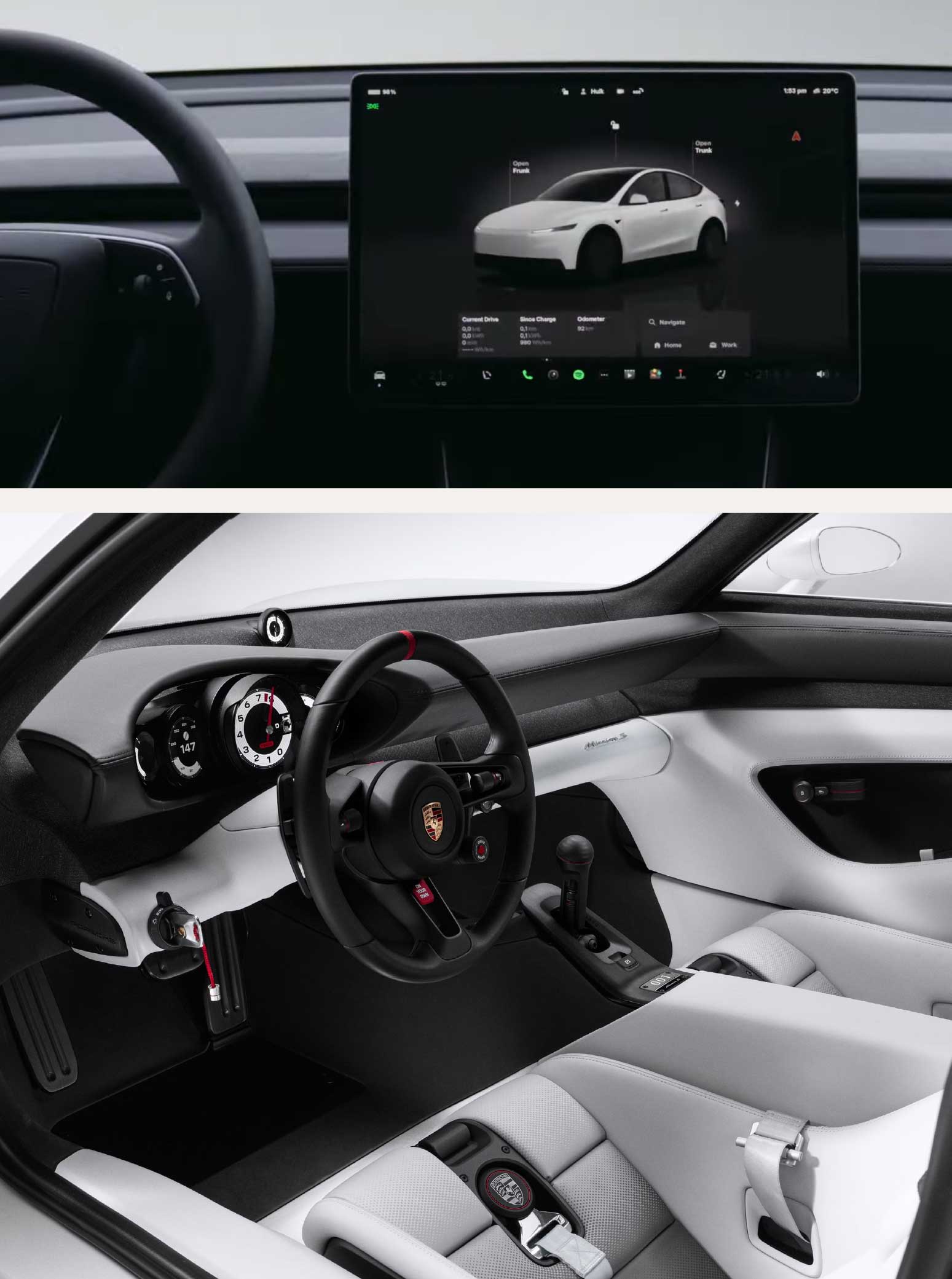
For the last fifteen years, the industrial design sector has been engaged in a relentless war against friction. The ultimate goal was the "black slab", a seamless, buttonless pane of glass where every interaction was reduced to a capacitive tap and infinite menus.
We succeeded. But in doing so, we accidentally created a greater cognitive burden.
There is no clearer example of this than the modern automotive interior. Pioneered by brands pushing for fully digital cockpits, the touchscreen-everything approach forced users to navigate complex menus just to adjust basic comfort settings. Consumers are waking up to the reality that this wasn't always driven by a desire for better UX. Often, it’s a sign of avoiding mechanical engineering disguised as modernity. A single pane of glass and a software update is significantly cheaper to manufacture than a dashboard of meticulously machined, perfectly weighted mechanical switches.
Through our collaborative process and design strategy, we guide product teams to explore true user needs, determining if hardware developed toward tactile reassurance can do more to ensure:
- Product longevity
- Reduced user frustration
- Higher premium price points over the product's lifecycle
After all, screens and their software age far faster than a well-designed dial.
How Does Regulatory Pushback and the "Affordance Deficit" Impact Product Safety?
When algorithms and infinite menus dictate user experience, people lose their sense of agency. We crave "affordance", the physical characteristics of an object that intuitively communicate how it should be used. A weighted dial inherently tells a user "turn me," and a mechanical switch clearly states "click me," whereas navigating flat menus demands prolonged cognitive attention.

This is no longer just a UX preference; it is a regulatory compliance issue.
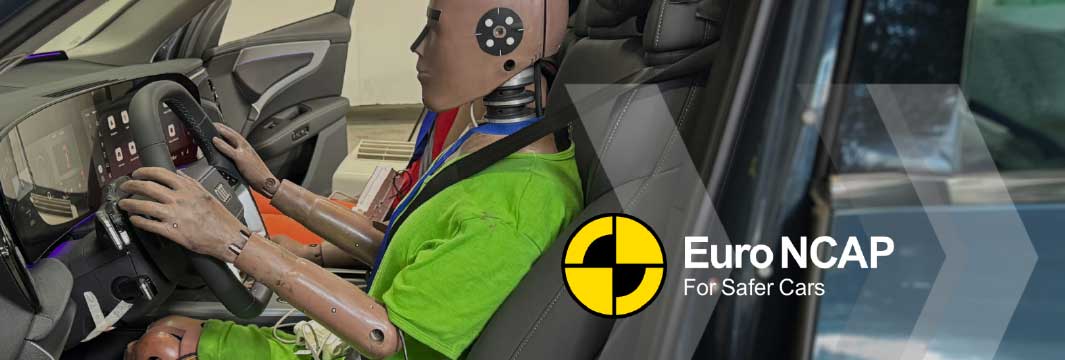
- Euro NCAP 2026 Mandate: Starting in 2026, Euro NCAP safety protocols will penalise automakers for burying essential controls in screens. To secure a 5-star safety rating, critical car functions will strictly require physical buttons.
Grounded in User-Centric Innovation, our studio works with your engineering partners to identify where screen fatigue degrades the user experience. By anchoring high-stakes interactions in tactile, dependable controls, we help you restore both intuitive function and premium feel.
How Can Brands Use Tactile Innovation to Command Luxury Market Positioning?
The definition of premium design has shifted away from the screen toward a "digital detox". Leading brands are already reclaiming tactile value by intentionally limiting digital menus and forcing high-quality physical interactions.
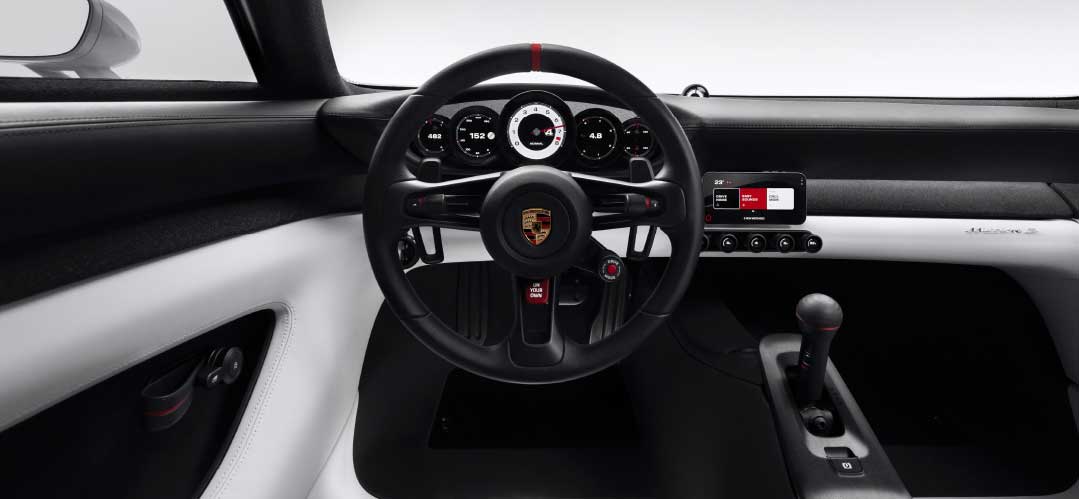
The Porsche Mission S Masterclass: The tide is turning, and the definition of premium design is shifting away from the screen.
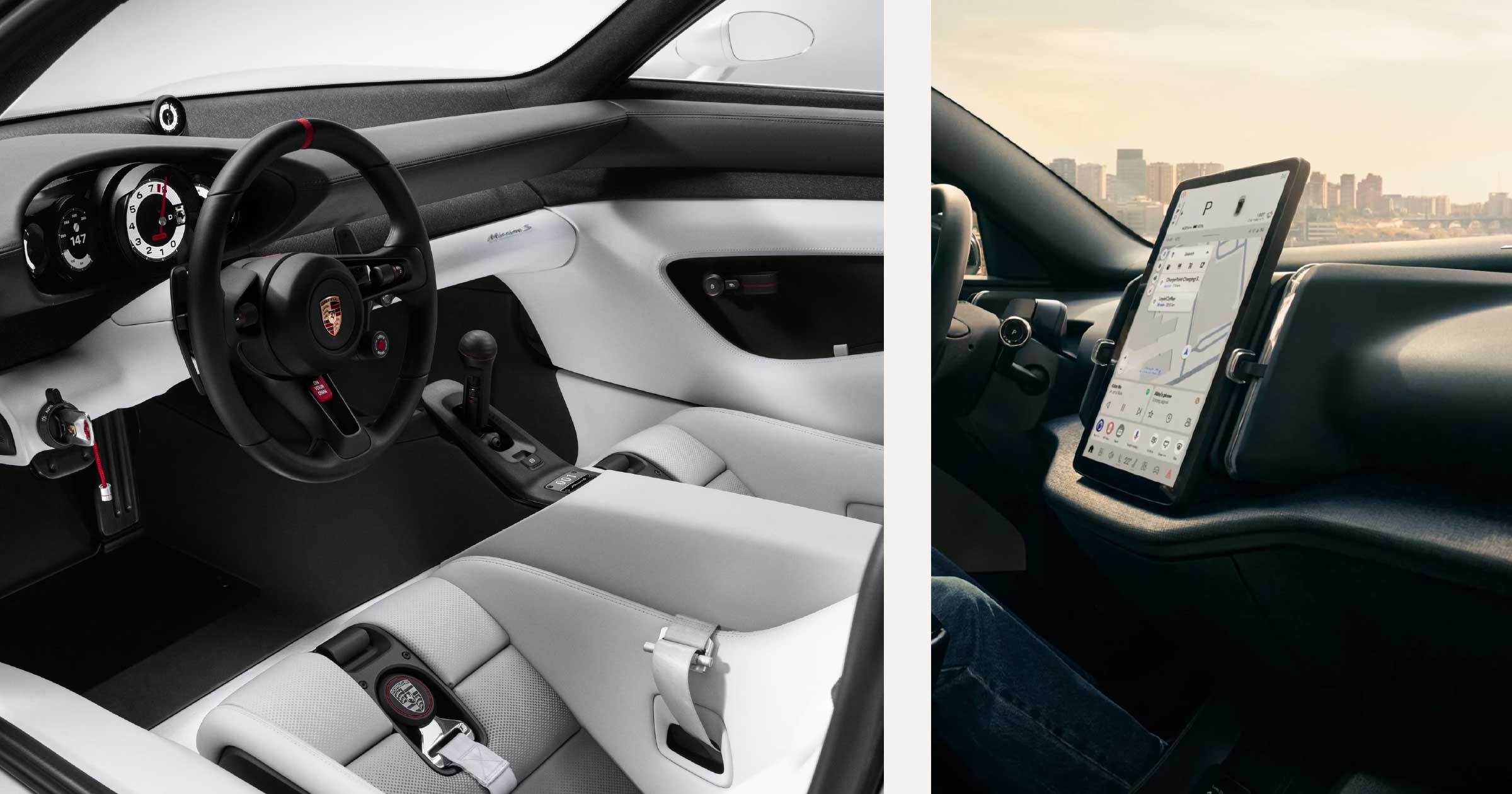
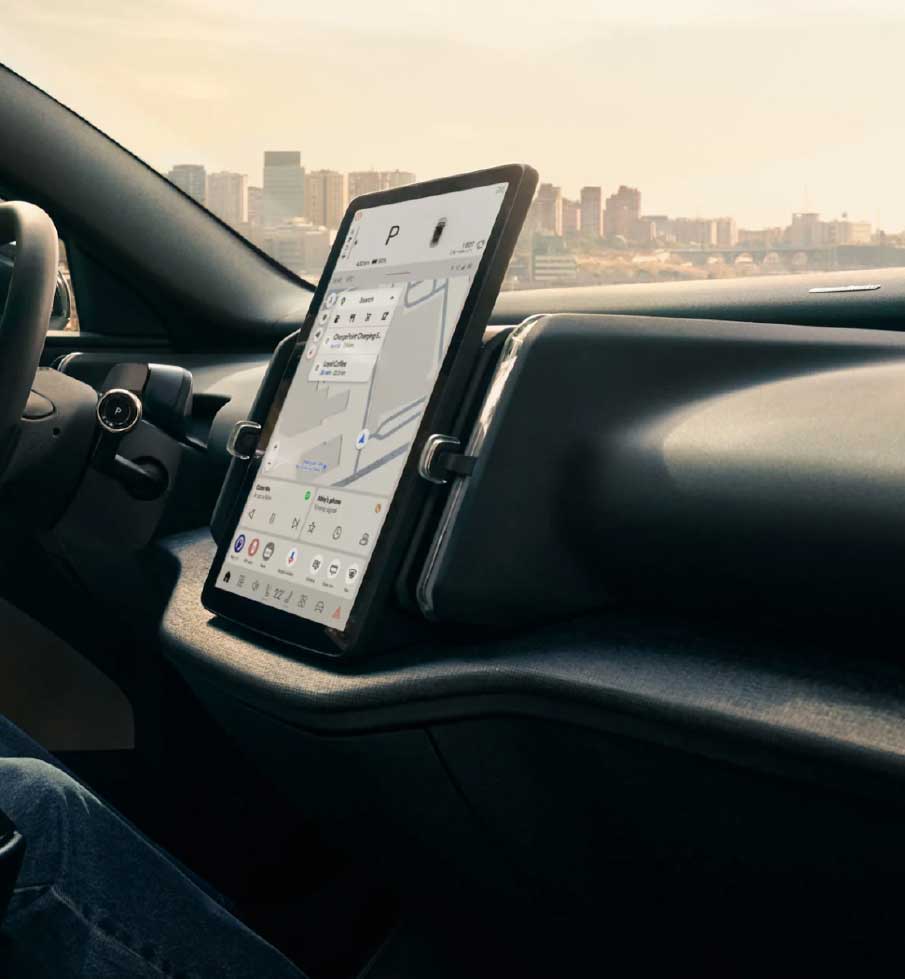
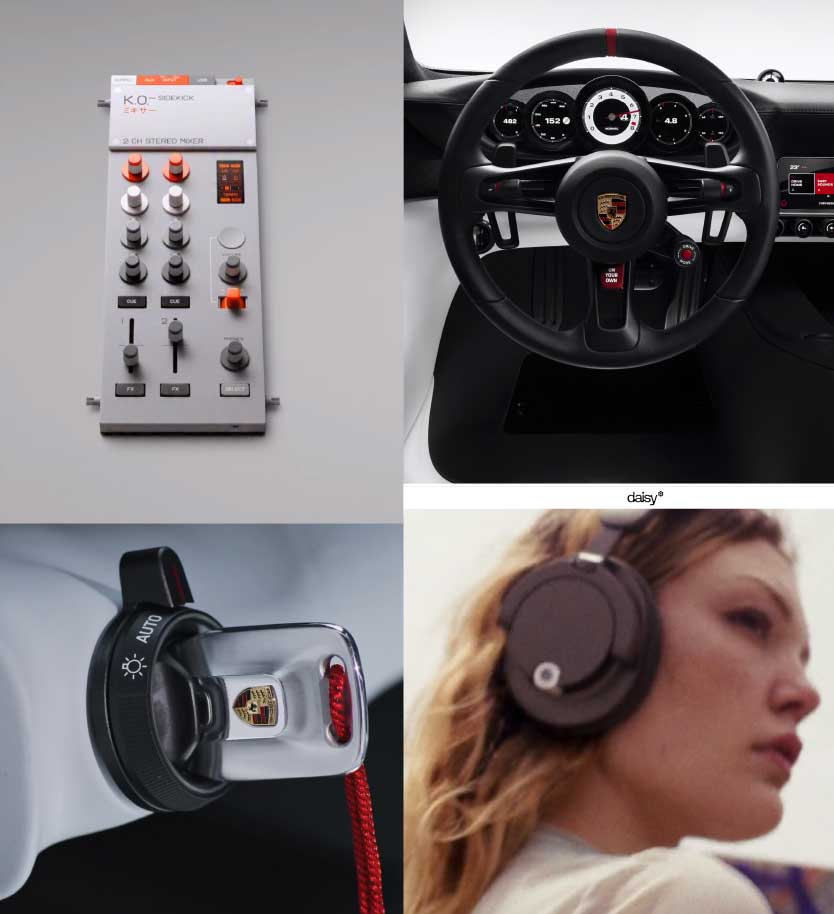
Look at the newly unveiled Porsche Mission S concept. Previewing a future mid-engine super sports car, Porsche has made a profound statement about the future of luxury: they deliberately left out a fixed centre display. The driver’s own smartphone handles navigation via a retractable MagSafe system, while the cockpit returns to authentic physical controls.
The Mission S features five classic round instruments surrounding an analogue rev counter, dashboard dials with push-pull functions, a height-adjustable gear lever designed for a tactile feel, and a physical aluminium key that creates a tangible connection to the vehicle before the engine even starts.
When every cheap rental car has a massive touchscreen, the screen ceases to be a luxury. The new luxury is a digital detox, stripping the experience back to the essentials to deliver an immediate, pure experience.
A Broader Craving for Physical Connection
This rejection of the "infinite screen" is NOT limited to cars; it is a universal user experience awakening. It is entirely about a craving for tangible quality and control.
The Return of Tactile Satisfaction This psychological fatigue is driving one of the most significant design shifts of the 2020s: the return of the button.
- Teenage Engineering: Swedish design house has achieved cult status by mastering these physical constraints. By intentionally limiting digital menus and forcing the user to interact with high-quality physical knobs and switches, they lower cognitive overload. It proves that when technology offers satisfying tactile feedback, the user develops a deep, emotional sense of ownership over the product.
- Daisy Sound: Similarly, the California-based audio brand Daisy recognised that users are exhausted by wellness features that demand more screen time. Rather than burying core functionality inside a companion app, the Daisy One headset uses a dedicated, physical 'Still Mode' button to instantly trigger soundscapes. In this context, a tactile button is no longer just an input method, it is a premium feature and a hardware boundary against unwanted distractions.
How Do We Design for Tactile Reassurance in a Digital Era?
As we move into an increasingly digital era, C-suite and Product Leaders recognise a fundamental shift in consumer appetite. Our role is no longer to make technology look as buttonless as possible. Our job is to design for the tangible quality and tactile control people crave.
Transitioning your product roadmap isn't easy, but you don't have to navigate it alone. Let's schedule time to discuss how our user-centric design approach can help elevate your portfolio and bridge the critical divide between cutting-edge software and authentic, tactile hardware.
Frequently Asked Questions:
Why are physical buttons replacing touchscreens in automotive design?
In 2026, Euro NCAP safety protocols will mandate physical buttons for critical car controls to secure a 5-star safety rating, combating the cognitive distraction and safety risks caused by complex touchscreen menus.
What is tactile affordance in industrial design?
Tactile affordance refers to the physical characteristics of an object that intuitively communicate its function, such as a weighted dial that suggests turning or a switch that implies clicking, which drastically reduces user cognitive effort.
How is the Porsche Mission S concept addressing screen fatigue?
The Porsche Mission S concept removes the fixed central touchscreen entirely, returning to an authentic digital detox experience featuring push-pull dials, an analogue rev counter, and a tactile aluminium key.
How do physical controls impact luxury market positioning?
Because cheap, single-pane touchscreens have become ubiquitous in entry-level products, luxury brands now use meticulously machined, perfectly weighted mechanical switches to signal premium quality, exclusivity, and tactile reassurance.
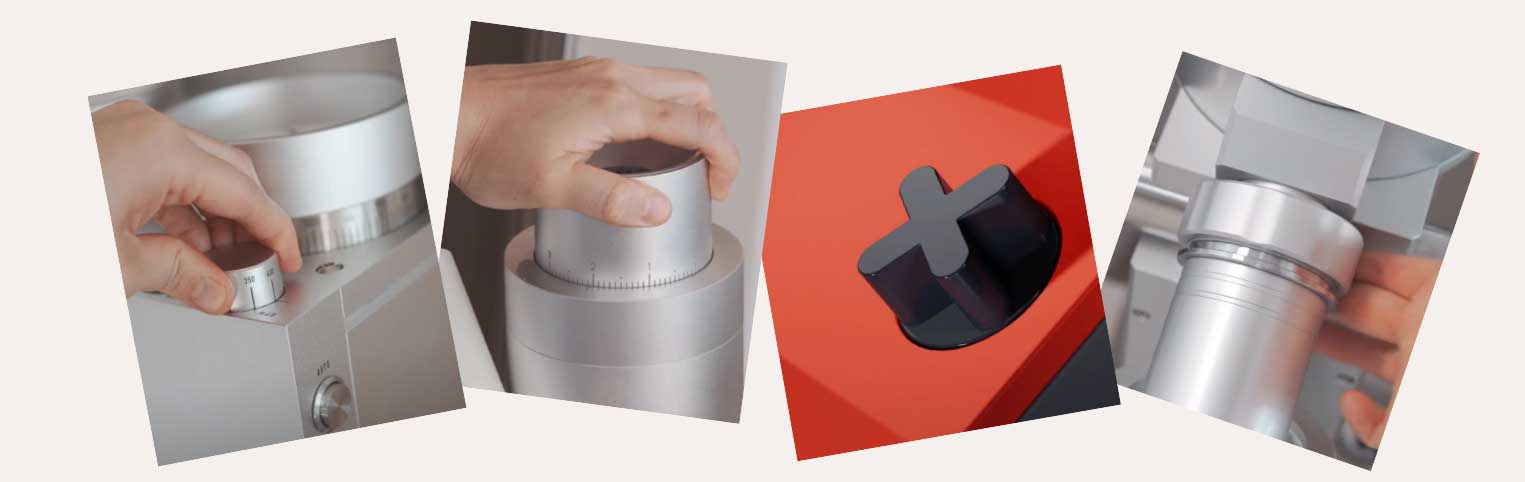
The future doesn't need more glass. It needs the right shape of control.